CF Electrical Services · Region
Strata Electrical Consulting in Sea-to-Sky & Sunshine Coast
Strata corporations along the Sea-to-Sky corridor and Sunshine Coast face a December 31, 2028 EPR deadline. CF Electrical Services delivers reports throughout the corridor.
The price is fixed, in writing, and the proposal arrives within one business day.




EPR deadline · Sea-to-Sky
December 31, 2028
Under the Strata Property Act, for every strata corporation of five or more lots in Sea-to-Sky & Sunshine Coast. Confirm your strata's tier by plan number with the deadline finder below.
8 cities we serve in Sea-to-Sky & Sunshine Coast
Each city link goes to its EPR page.
Deadlines and rebates
When is your report due?
The Strata Property Act sets two deadlines, depending on where the strata is. Sea-to-Sky & Sunshine Coast is outside the three earlier-deadline regional districts (Metro Vancouver, Fraser Valley, Capital Regional District); the finder below confirms it for any BC strata.
EPR · Metro Vancouver, Fraser Valley, CRD
December 31, 2026
EPR · Rest of BC
December 31, 2028
BC Hydro EV Ready rebates
Ongoing, no deadline announced
Where is the strata?
Strata building stock in Sea-to-Sky & Sunshine Coast
The Sea-to-Sky corridor (Squamish, Whistler, Pemberton) and the Sunshine Coast (Sechelt, Gibsons) carry some of BC's newest strata stock. Squamish and Whistler have seen heavy post-2010 mid-rise growth, with EV adoption rates putting capacity-planning conversations at the front of council agendas. Whistler's Phase-1/Phase-2 covenant complexity adds an additional layer to most engagements.
Statutory deadlines
The deadlines that apply here
Electrical Planning Report
December 31, 2028Under the Strata Property Act. Required for every strata of five or more lots. Confirm your strata's tier by plan number with the EPR Deadline & Requirement Checker.
EV Ready Plan
VoluntaryThe route to the BC Hydro plan rebate (up to 75% of the plan's cost, to a $3,000 maximum) and the prerequisite for the program's later installation rebates. As of July 15, 2026, an EVRP, EPR, or Opportunity Assessment Report is also required for standalone EV charger rebates.
What CF Electrical Services delivers
Three core services for Sea-to-Sky & Sunshine Coast strata corporations:
We work with most BC strata building types — often wood-frame walk-ups and townhouse complexes, and larger buildings too — in a single engagement (see the FAQ below for how each report is prepared by building type).
8 cities
Cities we serve in Sea-to-Sky & Sunshine Coast
- SquamishSquamish-Lillooet Regional District
- WhistlerSquamish-Lillooet Regional District
- PembertonSquamish-Lillooet Regional District
- SecheltSunshine Coast Regional District
- GibsonsSunshine Coast Regional District
- LillooetSquamish-Lillooet Regional District
- Powell Riverqathet Regional District
- Texada Islandqathet Regional District
Each city link goes to its EPR page. EV Ready Plan pages are also available for every city — see the service hubs:EPR,EVRP.
Sea-to-Sky & Sunshine Coast EPR knowledge base
Electrical Planning Reports in Sea-to-Sky & Sunshine Coast, explained
Plain-language answers to the questions Sea-to-Sky & Sunshine Coast strata councils ask most — written by CF Electrical Services.
Electrical Planning Reports in the Sea-to-Sky & Sunshine Coast: the December 31, 2028 deadline
The Sea-to-Sky corridor carries some of BC’s newest — and most heavily EV-adopting — strata stock, where capacity planning is less about aging switchgear and more about how many chargers a young building can actually support at once.
Under the Strata Property Act, every strata corporation in the Sea-to-Sky & Sunshine Coast of five or more lots must have a current Electrical Planning Report (EPR) on file by December 31, 2028 (see the Province's official EPR overview). The deadline is set by the strata’s regional district, not its city — the Sea-to-Sky & Sunshine Coast covers the Squamish-Lillooet Regional District, Sunshine Coast Regional District, and qathet Regional District, and the same date applies across all of them. The report is not a one-time formality: it is referenced on the strata’s permanent record and disclosed to prospective buyers, lenders, and insurers for as long as the corporation exists. CF Electrical Services delivers EPRs to Squamish, Whistler, Pemberton, Sechelt, and Gibsons councils — and every other community in the region.
What an EPR examines in the Sea-to-Sky & Sunshine Coast
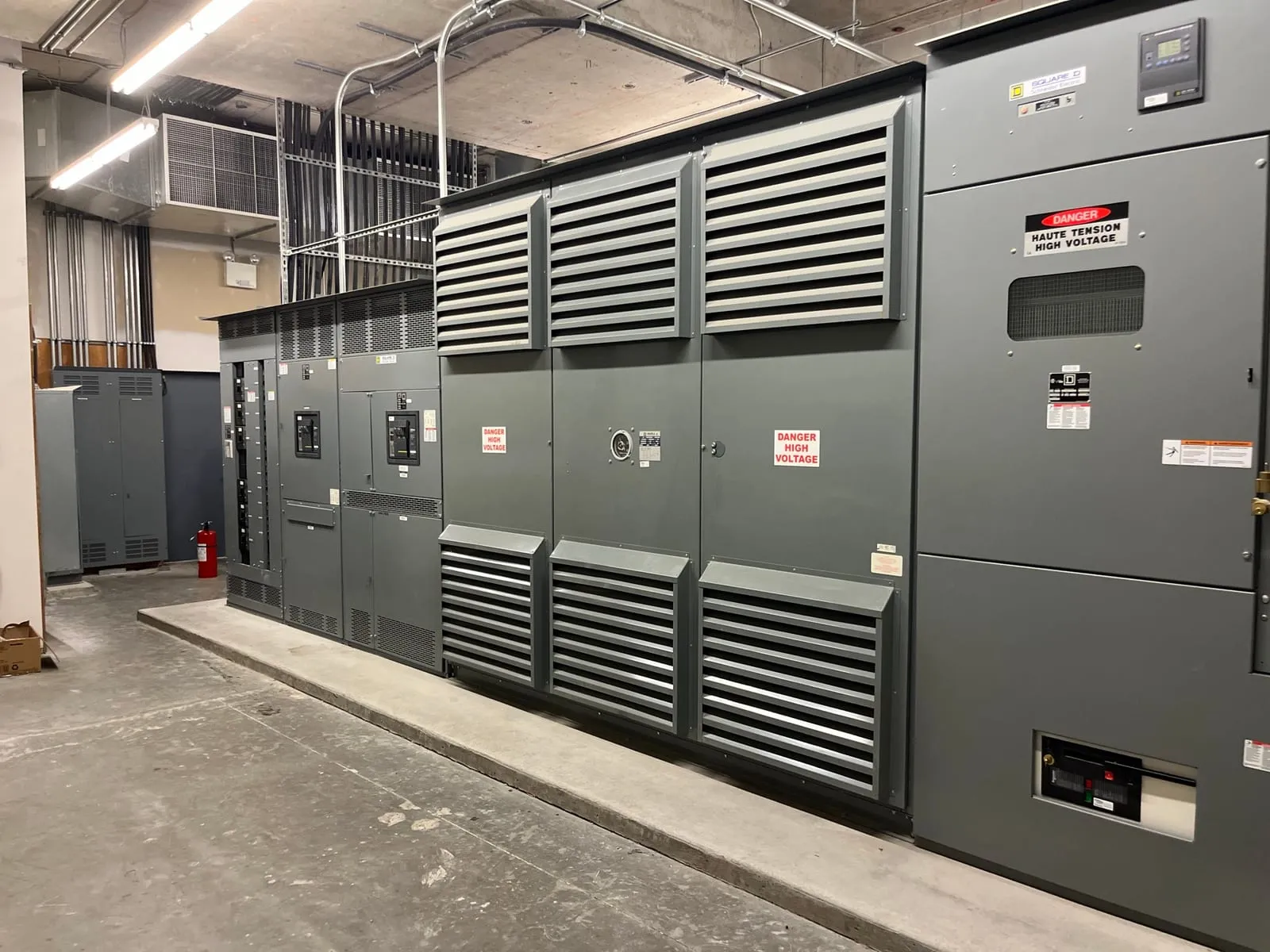
An EPR is a physical assessment, not a desktop exercise. For Sea-to-Sky & Sunshine Coast stratas it documents the existing service capacity, models how much headroom remains, and identifies what would have to change to support modern demand. BC strata law sets the mandatory scope: an on-site inspection of every electrical room, switchgear lineup, transformer, and distribution panel; peak-demand, spare-capacity, and load-diversity calculations to electrical-code standards; and modelled future-electrification scenarios for EV charging, heat-pump conversion, and gas-to-electric appliance changes.
The Sea-to-Sky corridor (Squamish, Whistler, Pemberton) and the Sunshine Coast (Sechelt, Gibsons) carry some of BC's newest strata stock. Squamish and Whistler have seen heavy post-2010 mid-rise growth, with EV adoption rates putting capacity-planning conversations at the front of council agendas. Whistler's Phase-1/Phase-2 covenant complexity adds an additional layer to most engagements. That building stock is exactly what shapes an EPR’s findings here — older concrete and wood-frame services frequently sit far closer to their limit than owners realise, while townhouse complexes raise the question of where capacity should be added. The report ends with specific upgrade recommendations and the amount of capacity each one would free, so council can sequence work instead of guessing.
BC Hydro data and EV charging capacity in the Sea-to-Sky & Sunshine Coast
Across the Sea-to-Sky & Sunshine Coast, the distribution utility is BC Hydro, and a compliant EPR analyses 12 months of BC Hydro interval consumption data to establish real peak demand.
That consumption analysis is what makes the EV-charging conversation real. An EV Ready Plan — the voluntary companion to the EPR — qualifies a strata for the CleanBC EV Ready Plan rebate of up to 75% of the plan's cost, to a $3,000 maximum, delivered in this region by BC Hydro (program details on BC Hydro's apartment & condo charger-rebate page). The program's later infrastructure and charger rebates apply to the infrastructure work that follows the plan. As of July 15, 2026, an EV Ready Plan, an EPR, or an Opportunity Assessment Report is a prerequisite for standalone EV charger rebates. For Sea-to-Sky & Sunshine Coast councils, the practical sequence is to establish true spare capacity through the EPR first, then size a charging program the building can actually support.
Sea-to-Sky & Sunshine Coast guides
Plain-language guides for Sea-to-Sky & Sunshine Coast councils
Each guide written for your region — with Sea-to-Sky & Sunshine Coast deadlines and local context.
- Why CF Electrical Services Became a Dedicated Strata Electrical Consulting CompanyOur story
- Customer Service Is Not a Phrase — It Is a Daily PracticeOur values
- LivingEPR™: An Interactive Version of Your Strata Electrical ReportLivingEPR
- What an Electrical Planning Report IsEPR basics
- The Short-Form Electrical Planning ReportEPR basics
- Why Is My Strata Required to Get an Electrical Planning Report?EPR basics
- BC EPR DeadlinesDeadlines
- Why EPR Quality VariesReport quality
- Understanding and Acting on Your EPRCouncil guide
- Why EPR Prices Vary So WidelyEPR pricing
- Questions to Ask Any EPR ProviderChoosing a provider
- How to Choose an EPR ProviderChoosing a provider
- EPR Timeline: December 31, 2026 DeadlineDeadlines
- The EV Ready Plan RebateEV Ready Plans
- BC's 2026 Building Electrification RoadmapIndustry
- BC's July 2026 EV Rebate ChangesEV Ready Plans
- Commercial & Industrial Strata EPRsCommercial & industrial
- Electrical Planning Report for BC Strata — The Complete 2026 GuideElectrical Planning Reports
- EPR Provider Compliance: BC's 2026 GuidanceChoosing a provider
- If Your Strata Misses Its EPR DeadlineDeadlines
- What an Electrification Upgrade IsElectrification
- What an EV Ready Plan IsEV Ready Plans
- 2026 Electrification Rebates for StratasRebates
- The 2028 EPR Deadline: A Guide for BC Stratas Outside the Lower Mainland and Greater VictoriaDeadlines
- Is Your Strata a Part 9 Building? How to CheckEPR basics
- What Must an Electrical Planning Report Contain? BC's Section 5.11 ChecklistEPR basics
- EPRs for Wood-Frame Walk-Ups & TownhousesEPR basics
- Booking Your EPR in 2026: A Guide for Stratas on the 2028 DeadlinePlanning
- An Owner Wants EV Charging: What the Strata Property Act Asks of Your CouncilEV charging
- When to Get an EV Ready PlanEV Ready Plans
- EV Ready Plan Rebates for FortisBC Customers, and the Local Top-Ups Worth CheckingEV Ready Plans
- EPR Requirements in BCEPR basics
What is the EPR deadline in Sea-to-Sky & Sunshine Coast?
Which electrical utility serves Sea-to-Sky & Sunshine Coast strata buildings?
Does CF Electrical Services serve every city in Sea-to-Sky & Sunshine Coast?
Who prepares these reports?
Find your building
What kind of strata do you have?
We work with most BC strata building types, most often wood-frame walk-ups and townhouse complexes, and larger buildings too. Each guide covers what the report looks at for that type of building and what to expect.
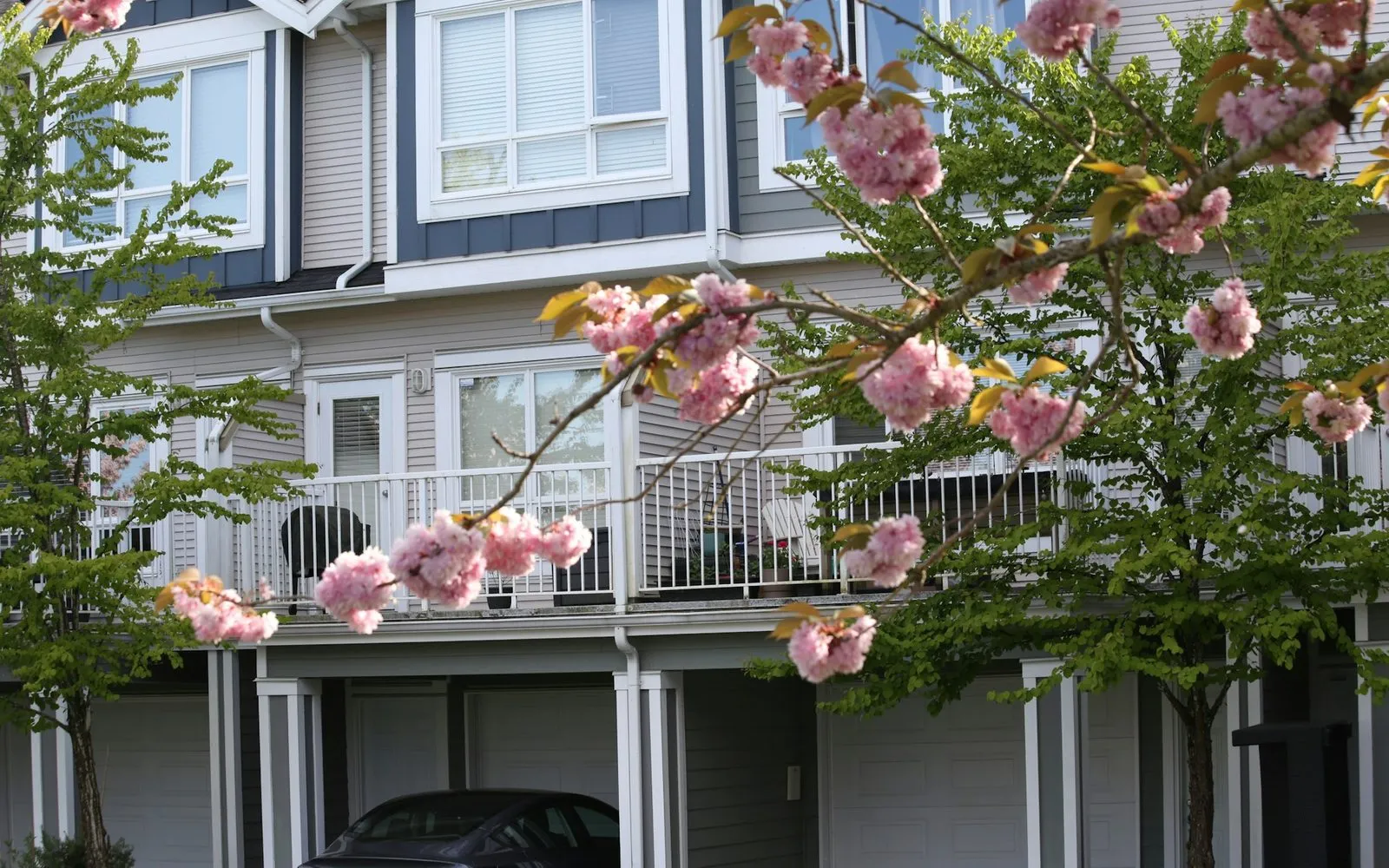
Townhouse complex
Side-by-side units, often individually metered.
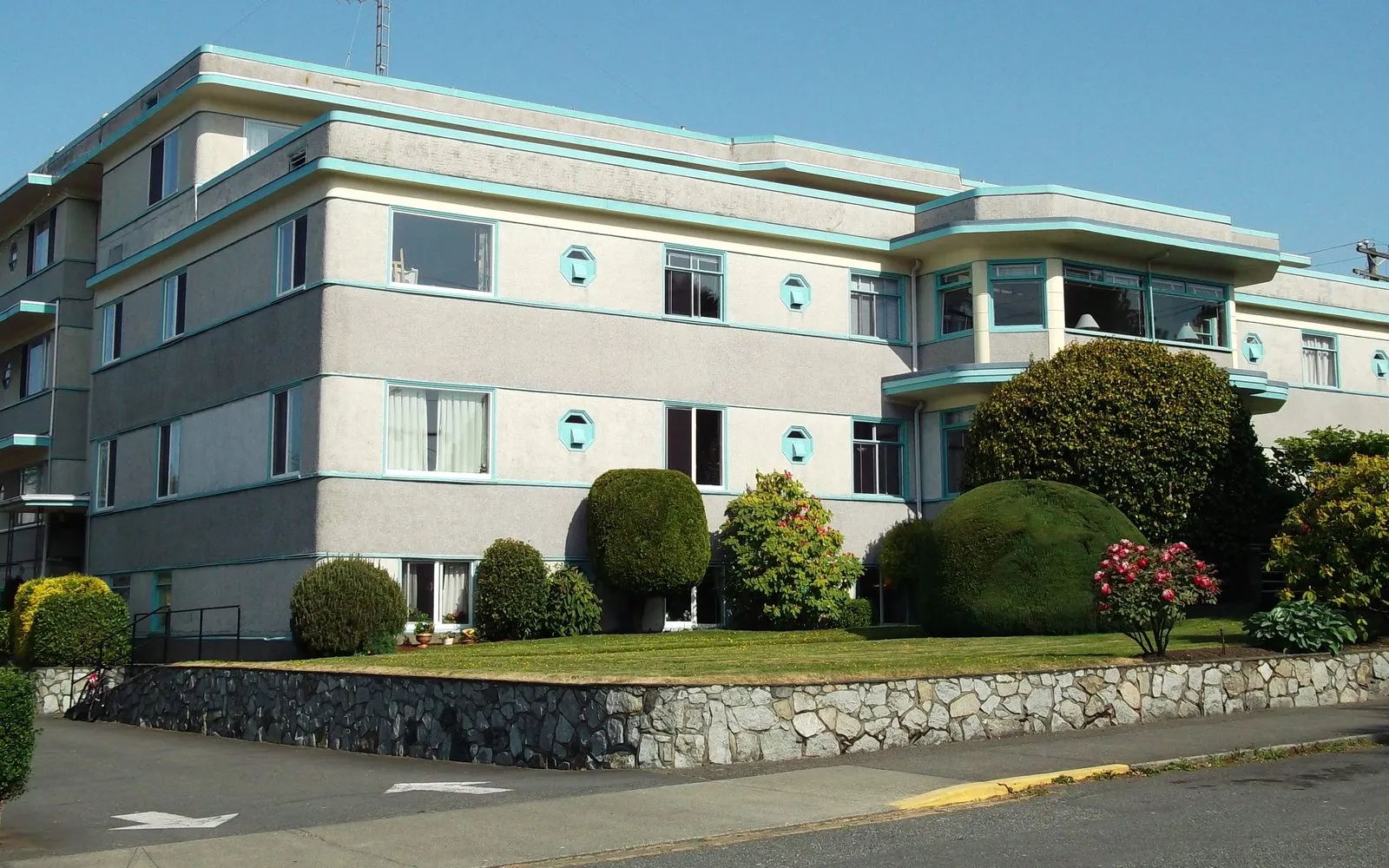
Low-rise apartment
Wood-frame walk-ups and garden apartments.

High-rise tower
Concrete towers with large shared services.

Mixed commercial / residential
Residential above, commercial at street level.
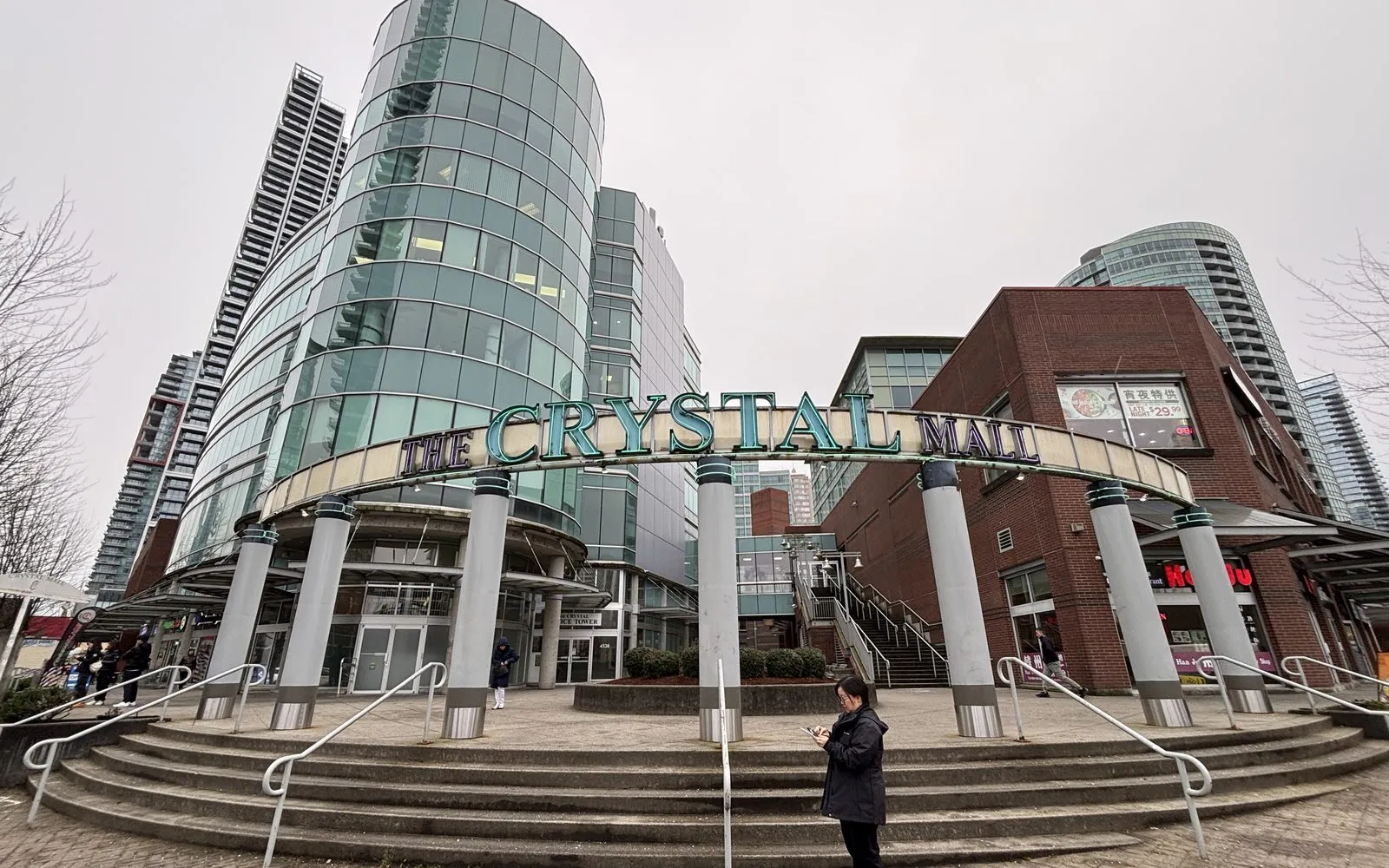
Commercial strata
Office, retail, and light-industrial stratas.

Bare land strata
Lots are land parcels, not buildings.
The report
What an Electrical Planning Report is
An Electrical Planning Report assesses your building's electrical capacity today, estimates the demand that EV charging, heat pumps and other electrification will add, and sets out the upgrades or demand-management steps needed. For most BC stratas it is required under the Strata Property Act.

What we assess
The electrical service and distribution, twelve months of metered consumption data from BC Hydro or FortisBC, and the loads your strata is likely to add. Every recommendation rests on that data and on the council's goals for the building.
What you receive
A compliant report in plain language, with clear next steps.
What we take off your plate
An experienced team handles the whole engagement so your council and your manager are not running a project.
What the regulation requires
Eight items every compliant report must contain
Section 5.11 of the Strata Property Regulation sets the content. A report missing any of these is non-compliant. Every CF report also rests on a property assessment and twelve months of consumption data, as the Province's guidance recommends.
References available on request.
- The date and the preparer's details, including insurance and relationship to the strata.
- Current capacity of the electrical system.
- Existing demands, including EV charging, heating, cooling, ventilation and lighting.
- Current peak demand and spare capacity.
- Gas-to-electric conversion estimates, where they apply.
- Future demand estimates for heating, cooling, ventilation and EV charging.
- Demand-reduction steps that are practicable.
- Upgrades, with the capacity each frees.
Pricing
Fixed price, in writing, before you commit.
Every proposal states one fixed price. We set our pricing with strata operating budgets in mind, and the reviews further down say how councils found it.
Request your fixed-price proposalOne price, in the proposal
Within one business day, with the scope spelled out.
How it works
Four steps from first contact to the report
We handle the process end to end.
- 01
Send us your strata details
Strata plan number, address and unit count. That is all we need to start.
- 02
Review your fixed-price proposal
It arrives within one business day. Share it with council.
- 03
Property assessment
Our team assesses the building. We handle the paperwork with the utility.
- 04
Report
You receive the report, built on the property assessment and twelve months of metered consumption data.
About CF Electrical Services
From the job site to the planning desk
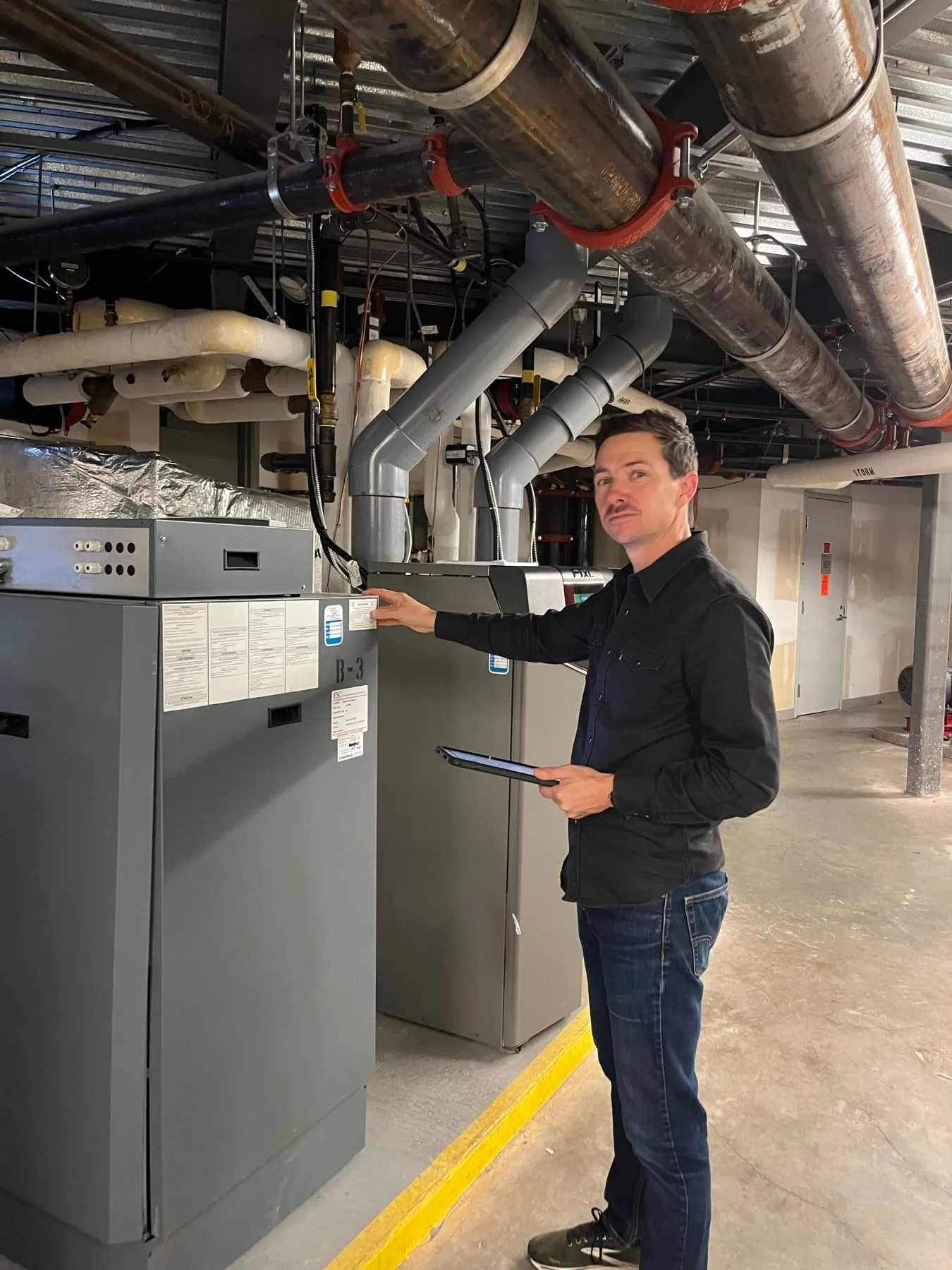
Chris Farrar started in the electrical trade and spent years doing installation and service work. Over that time he noticed that strata managers were constantly struggling with electrical planning. They needed reports and they needed expertise, but they did not need another vendor adding to their workload.
That is what led to CF Electrical Services: a team that handles the complexity, delivers accurate work, and makes it easy for the people managing these buildings.
Read more about CF Electrical Services"Strata councils need information they can use to set guidelines and budgets, and the confidence that their decisions are backed by evidence from their own infrastructure. CF Electrical Services exists as a bridge between that technical complexity and the day-to-day decisions of diligent strata council volunteers."
Chris Farrar, Founder
Who you will work with
Chris Farrar, Founder
Started in the electrical trade and built CF Electrical Services around strata electrical planning.
Alex, Client Services
Your proposal, onboarding, scheduling and questions, from the first email to delivery.
Our assessment team
Our team visits your property to assess your electrical infrastructure and understand the distribution of your unique strata. This information is carefully recorded and becomes an important step in the project.
Our office
Monday to Friday, 8:00 AM to 6:00 PM Pacific. 778-910-4772 or [email protected].
Today's 30-second brief
One council question, answered in 30 seconds
A short video from Chris on a question we hear from councils: deadlines, rebates, owner EV requests, what happens at a property assessment. A new one each weekday.
Reviews
What strata councils and managers say
"Our Strata, a small townhouse complex in East Vancouver, had a great experience with CF Electrical. They prepared a helpful Electrical Planning report at a very reasonable price. The entire process was straightforward and seamless. We would highly recommend."
"We selected CF Electrical from three providers due to their excellent communication. They answered (and anticipated) all our questions before we'd even heard back with a quote from the third potential provider. They completed an EPR quickly and comprehensively, at a fair price. [...] The more we learned about CF Electrical and its founder, the more we appreciated their approach. Highly recommended!"
"CF Electrical Services responded promptly to my request for proposals for the Electrical Planning Reports and EV Ready Plans on the buildings I manage, and completed every report on time. Their professionalism, responsiveness, and efficiency throughout the process helped move these projects forward smoothly — excellent service and support."
"The process of providing pre-visit documentation was made very easy and the site visit was arranged in a timely manner. [...] At every step CF Electrical was a pleasure to work with and I would highly recommend them for their exceptional service."
"Great service. CF Electrical provided our condo building owners with an Electrical Planning Report and an EV Ready Plan to help us with long-term planning. Chris was easy to work with and provided a thorough presentation to all owners at the completion of the project. We can highly recommend CF Electrical Services for their report writing."
"Prompt, honest service, highly recommend"
Our work
Projects for stratas big and small, and everything in between
CF Electrical Services has completed a substantial number of projects for strata corporations across British Columbia: townhouse complexes, wood-frame walk-ups, towers, mixed-use and bare land stratas. As part of our consultation with your strata council, we are happy to outline examples of our work on buildings like yours and connect you with references.
Request a proposal and ask for examplesOur services
Strata electrical consulting. Three services, one firm.
The report that assesses your building, the plan that maps the EV charging, and the project management that delivers the upgrades. The same team and consistent numbers from the first report to the finished project.
Electrical Planning Report (EPR)
Mandatory under BC strata law. Built on a property assessment and twelve months of consumption data, and written to be read by the council.
Learn more02EV Ready Plan (EVRP)
The route to BC Hydro's plan rebate, up to 75% of the plan's cost to a $3,000 maximum, and the prerequisite for the program's later installation rebates.
Learn more03Electrification Project Management
Customized consulting for the projects a plan leads to: EV charging rollouts, heat pump conversions, service upgrades and large retrofits. We manage the project on your strata's behalf; licensed contractors carry out the installation.
Learn moreEV Ready Plan
Add an EV Ready Plan to your report and get up to $3,000 back from BC Hydro.
Most stratas receive an owner's EV charging request sooner or later. An EV Ready Plan prepares the building for it, and the BC Hydro rebate covers up to $3,000 of the plan itself. Report and plan together also come with LivingEPR™, our interactive Living Report, an online version of your report your council can return to.
Free tools
Answers for your strata in a minute, no email needed
EPR Deadline & Requirement Checker
Your EPR deadline, who may prepare the report and what it must contain.
Use the toolEPR Price Guide
What sets the price of an Electrical Planning Report and how to compare quotes.
Read the guideEV Ready Plan Rebate Estimator
The rebate stages, municipal top-ups and who administers the file.
Use the toolGuides for councils
Plain-language guides to the Electrical Planning Report
Free to read, no sign-up required.
Where we work
All of British Columbia
Every region of the province. Each region page lists the cities we serve and the deadline that applies.
- Metro VancouverEPR deadline December 31, 2026
- Fraser ValleyEPR deadline December 31, 2026
- Capital Regional DistrictEPR deadline December 31, 2026
- Vancouver IslandEPR deadline December 31, 2028
- Sea-to-Sky & Sunshine CoastEPR deadline December 31, 2028
- OkanaganEPR deadline December 31, 2028
- KootenaysEPR deadline December 31, 2028
- Cariboo & ThompsonEPR deadline December 31, 2028
- Northern BCEPR deadline December 31, 2028
Common questions
Questions we hear most often
If yours is not here, call the office. Monday to Friday, 8:00 AM to 6:00 PM.
778-910-4772Does our strata need an Electrical Planning Report?
What does it cost, and how do we get a price?
Who is allowed to prepare the report?
Our units are individually metered. Do we still need one?
Can you manage the upgrades the report recommends?
What if the council is not ready to decide?
Request a proposal
A fixed-price proposal within one business day, Sea-to-Sky & Sunshine Coast
Send us your strata plan number and address. We look up the rest and reply with a written fixed-price proposal.
Prefer to call?
778-910-4772, Monday to Friday 8:00 AM to 6:00 PMBook a free 15-minute call[email protected]What happens next
Alex confirms your request. The proposal arrives as a PDF and as a link you can forward to the rest of council.
Request your fixed-price proposal
Thanks, there. Your request is in.
Anything below helps us scope the proposal; nothing is required.